
Waterfalls & Nature
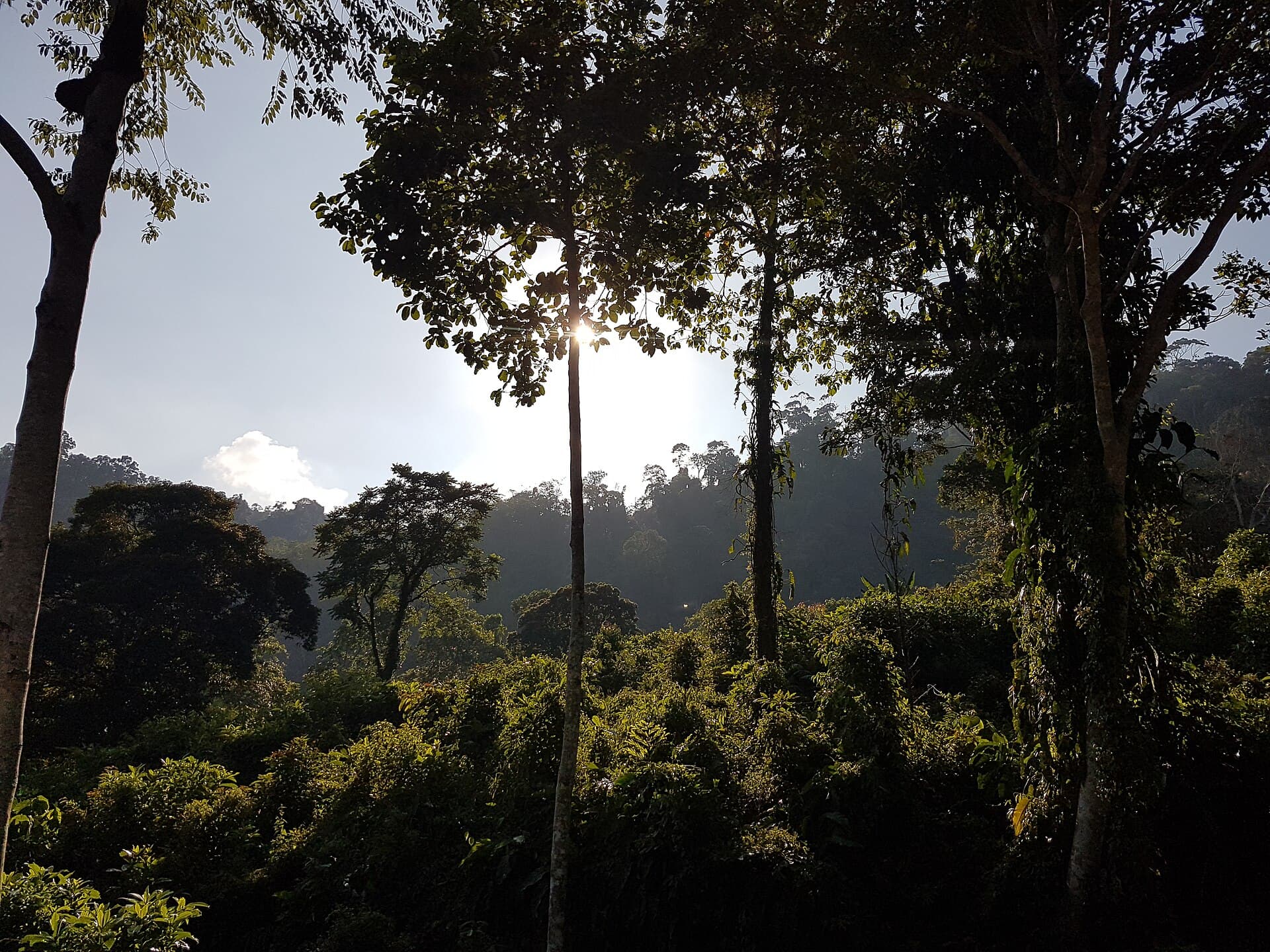
Koh Samui interior forest and watershed
Much of Koh Samui's centre is mountainous tropical forest that protects the island's water supply. A local guide describes about 60% of the interior as protected forest/watershed conservation zone; a ferry port guide claims roughly 90% of the island is undeveloped (sources disagree).
- Free
- Checked 25 Sept
The story
Behind the beaches, the centre of Koh Samui rises into a forested mountain spine that most visitors never see. This interior is the island's watershed: the forest catches rain and feeds the streams and waterfalls (Na Muang, Hin Lad and others) that supply and cool the island. A 2026 local guide describes approximately 60% of the island's interior terrain as classified protected forest / watershed conservation zone with development restricted; a ferry information site claims approximately 90% of Koh Samui remains undeveloped.
Read moreShow less
These figures come from different secondary sources and disagree, so treat them as 'a large majority of the interior is forested and undeveloped' rather than exact statistics. The forest is mostly secondary growth - much of the lower land was cleared for coconut plantations decades ago - with primary (never-logged) rainforest surviving around Khao Pom, the highest mountain. Wildlife reported in the interior includes long-tailed macaques, dusky langurs, oriental pied hornbills, giant squirrels, monitor lizards and many tropical birds and butterflies.
There is no formal national park or gate system on Samui itself; access is via scattered roads, waterfall trailheads and viewpoint tracks. Practical points: stay on known paths, carry water, and remember the interior has few facilities.
Good to know
- Open landscape; visit in daylight
- Free
- Dry season (Dec-Apr) for easier conditions; Oct-Nov for fullest streams
Checked 25 Sept 2026 · 3 sources
Sources and last check
- Last checked
- 25 Sept 2026
- What was checked
- Details checked 25 Sept 2026
- Next check due
- September 2027
Official sources
No official source published yet for this page.
Plus 3 other references and local research.